Sunday, 22 October 2017

Module 5-Chapter 1-Texture in Landscape

These first pics have been taken in a wood close to my home. It is a part of a big area where people were extracting  iron ore which contributed to the wealth of our country in the 19th and 20th century. The extraction of iron ore changed the landscape dramatically. Now nature has reconquered it's territory and "ment its wounds". Some new plants like wild orchids now grow there. I want to concentrate on the wood in this area.

For a longer period in my life I had been running there with a group of ladies and I know every little path and corner. It all ended when I started working and didn't have so much time but it's there where I go to when I'm feeling down and want to be alone.

During the walk in which I took these pictures I felt close to this part of nature and realized how much I missed it. I concentrated on special textures and walked through the woods like Alice in Wonderland, stopping every few seconds to admire all the wonderful textures and stroking the trees. It was a good thing I was on my own.

The following pics mainly concentrate on three barks but also on what happened on the floor and on man made marks.

I decided to make my own sketchbook and used A3 black paper binded by bookbinder screws.


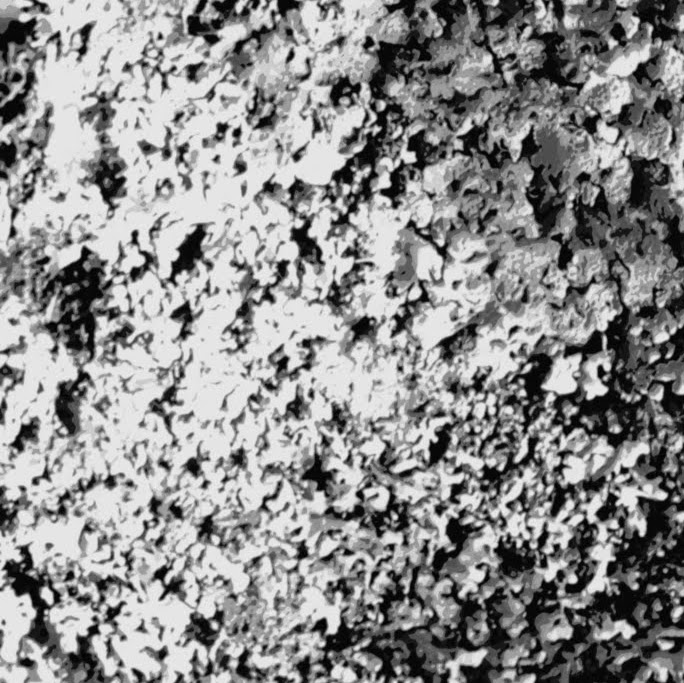
1a: a pic altered with Picasa, first twisted, then turned into black and white.Not a real "texture" pic though, but the lines show a pattern that could be reproduced into textured ones.


1b; raindroplets on grass, enlarged
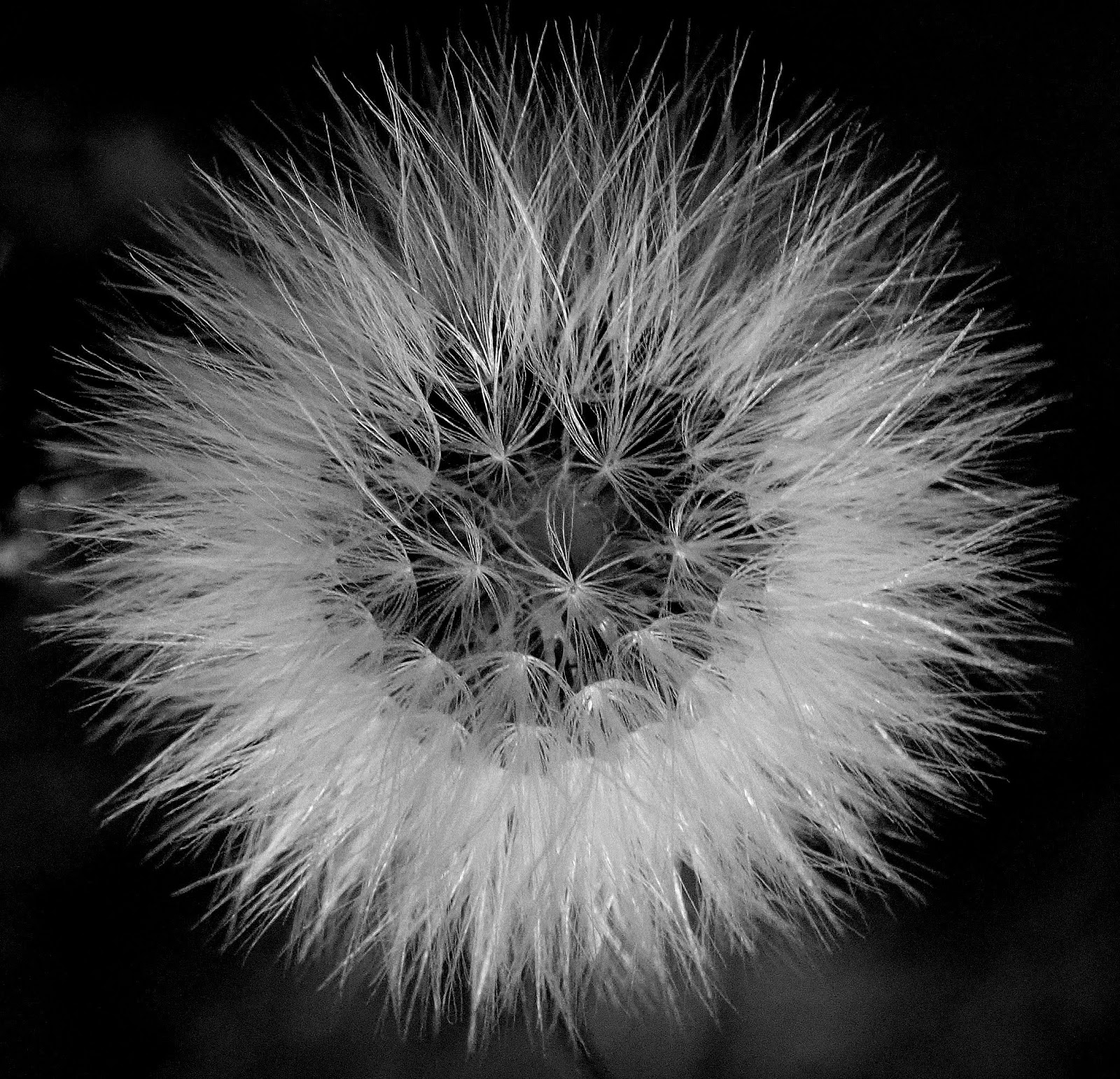
1c: enlarged seed head


Looking onto the floor


1d: fallen pine needles (enlarged)


1e: man-made marks: mountain-bike tyre marks showing interesting pattern with raised and recessed areas


1f: beautiful texture here. It looks as if flat pieces of wood were attaced to a surface


1h: another tree bark with interesting shapes

1g: lichen on tree bark, irregular shapes

1i: round flat shapes


1j: diamond shapes,  textured

Looking up, looking down

1k: pine needles
1l: feather on forest ground


1m: unfortunately this photo turned out blurred. the ridges are not sharp but gently curved

1n: enlarged pine cone, square shapes


1o
1p: another example of man-made marks:

This "curtain" made of ropes is a tribute to the men working in the iron ore industry. Apparently it was inspired by our group of running ladies.
The "curtain is hanging from an old abandoned bridge called "the black bridge"

Split trees revealing their "inner" lives


1q: curved lines
1r: sharp pointed edges


1s: another treed bark covered with lichen (?) showing a very fine irregular texture

1t: another example of a pine cone, overlapping triangular, ondulating shapes

Peeling tree barks:


 1u

1v


1w: moss on tree bark, soft and furry

Looking at plants:

Ferns


1x: fern leaves and their seeds

Heavily textured barks


1y

Man-made: stairs


I finally would like to share a few more pics, I could have added many more and I certainly will at some stage, but I feel at the moment like going with Chapter 2 


the bottom of a mushroom


Sunday, 27 August 2017

Module 4-Chapter 11 Make a special book structure related to "Media"


Thanks to Siân I finally managed to finish this book structure and make it a more cohesive piece of work.

It is a tribute to all the women who care for the well-being of their family (with a little twist of humour). It is based on my weekly shopping list which a enlarged and copied onto fabric (inside left page). In fact it consists of two layers, one of coton fabric and the other of a more transparent fabric to create more depth. The two layers were held together by free machine stitching the words "Shopping List".

These words were also stitched on the front page of the book and the right side in the book, only that this was done from the back. The words are therefore not readable and create an abstract pattern.

The two sides of the book are made of painting canvases wrapped with fabric and connected to form a book structure


For both, the front and the back page, a very coarse fabric was used to withdraw the threads. In fact it was an off-cut I bought very cheaply at the sales. The fabric was painted with fabric paints and after being fixed, paper pulp was applied. This created an old weathered look and gives the feel of an ancient artefact.

Both sides were backed with red felt before being stitched into it. The stitching is based on the research samples of this module.


The fabric used here is a linen one used for cross stitch (?) dyed with Procion in my color scheme (same for right side). The left-over threads were covered with satin stitch. The natural movement of the threads resulting from this stitching was enhanced by "connecting" some of the threads with satin stitch.

The paper frames were made by wrapping wire frames with a chenille and coton thread dipped into paper pulp.


The picture of my "shopping queen" has been found on the internet and printed onto fabric, a halo was painted around it. To create a link with the left page and to "soften" the edges the aperture as well as the inside were framed with the paper frames. I really love the three-dimensional look of this.

All the edges of this "book" were covered with the same stitch.


Finally the borders were wrapped with a bought ribbon that was machine-stitched.

Because of the size and all the different textures this book is very tactile. It invites the viewer to hold it and, hopefully, to wonder what the story behind it is.


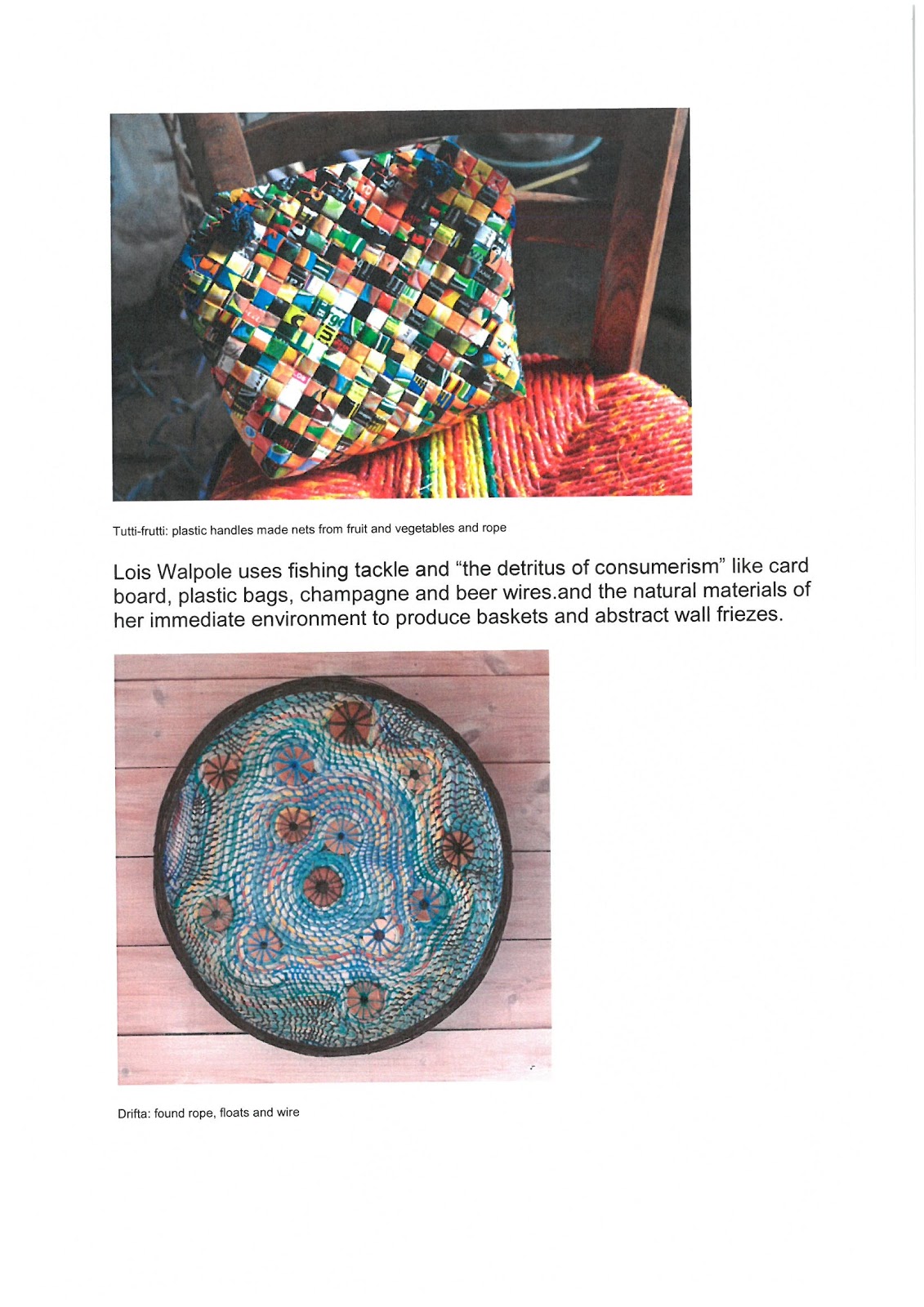
The presentation sheet regroups pics of my inspiration as well as my technique ideas for the different panels for the final piece